The Fuel for Grit is Gratitude
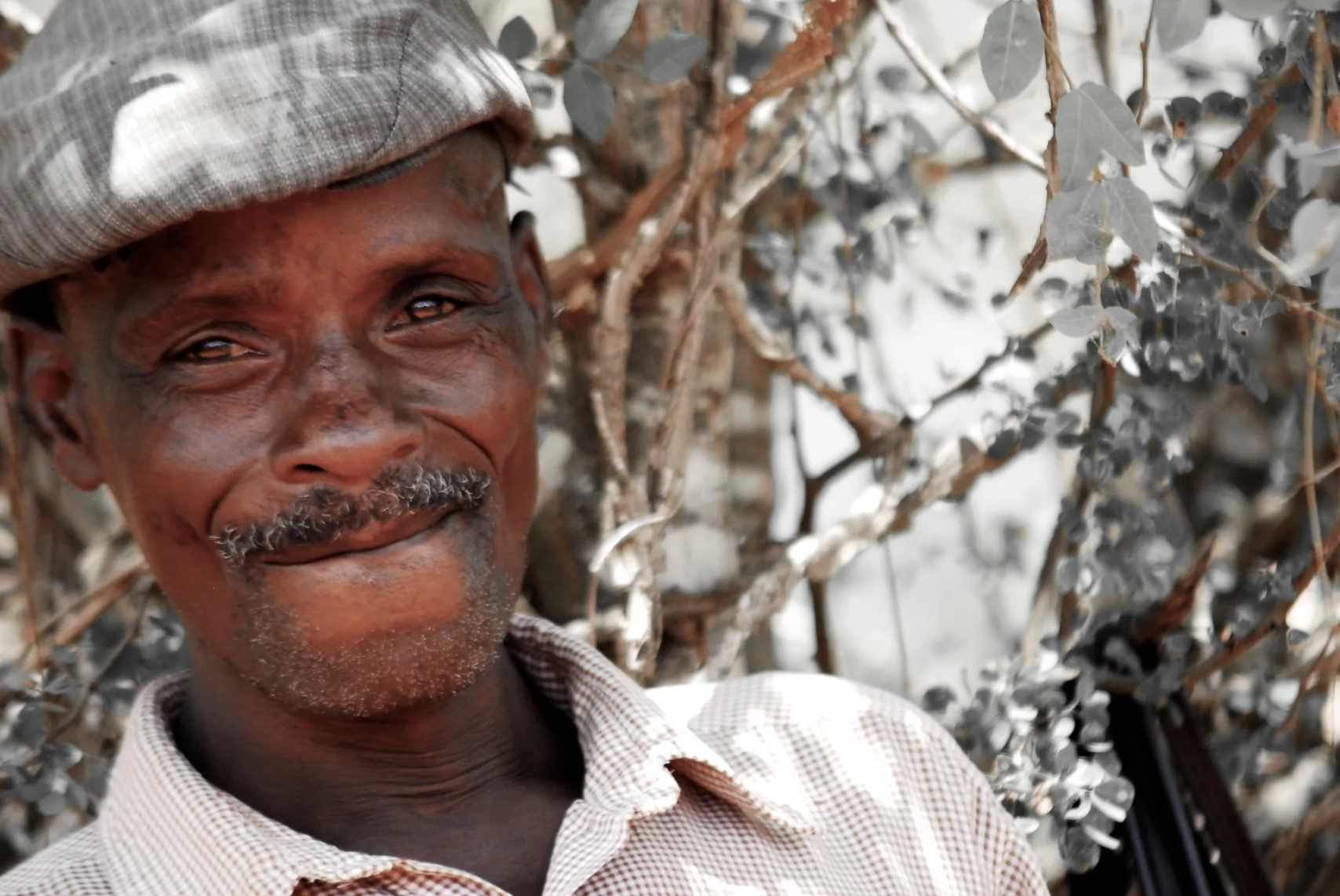
A few years ago I snapped a photo in a rural town outside Nairobi, Kenya. In the frame is a father who, despite his own poverty and daily struggle, walks to a dirt lot containing three brick structures he and other parents built themselves. They didn't just build the school. They made the bricks. Every day, facing the compounding challenges of an underdeveloped country, these parents walk their children to class and keep building. I couldn't stop asking one question: how do people with so little have such an unbreakable spirit?
That question has stayed with me ever since.
Recently I learned about the five intangibles of great leadership from Dr. Angela Duckworth, and the first named was grit. They pointed to the research of Dr. Duckworth at the University of Pennsylvania, whose landmark studies define grit as the combination of passion and perseverance for long-term goals. In her peer-reviewed research published in the Journal of Personality and Social Psychology (2007), Duckworth found that grit predicted achievement above and beyond IQ, talent, and almost every other variable measured. It wasn't the most gifted who finished. It was the most persistent.
One way Duckworth defines grit is as an indomitable spirit, the quality in a person that makes them incapable of being overcome by adversity. I took the Grit Scale assessment from theDuckworth Lab and scored a 4.63 out of 5, placing me above 90 percent of the population. I wasn't entirely surprised. But I was curious. Where does grit actually come from? What feeds it?
Watching that Kenyan father, I noticed something beyond his resilience. He was grateful. Genuinely, visibly grateful for what he had, and that gratitude seemed to be the very thing propelling him forward through conditions that would have stopped most people cold.
The research supports what I observed. A study published in the Journal of Positive Psychology (2014) found a significant relationship between dispositional gratitude and psychological resilience, with gratitude functioning as a buffer against stress and a driver of perseverance. Robert Emmons at UC Davis, one of the leading researchers on gratitude science, has demonstrated across multiple peer-reviewed studies that people who practice gratitude consistently show higher levels of positive emotion, greater life satisfaction, and stronger determination when facing obstacles.
In other words, gratitude isn't just a feeling. It is a source of fuel.
I have come to believe this from research and from lived experience. I am grateful for my wife and our kids. I am grateful for the work I get to do as a pastor and a leader. I am surrounded by friendships that genuinely pour into me. That gratitude doesn't make the hard days easy. It makes them endurable. It gives me something worth fighting through the difficulty for.
Grit without a source eventually runs dry. Gratitude keeps refilling the tank.
If you want to understand why some leaders keep going when everything says stop, don't just study their discipline. Study what they are thankful for.
- Troy Murphy is a leadership consultant and lead pastor in Green Bay, Wisconsin. He holds a Doctorate in Transformational Leadership and serves as Senior Consultant with Transformed Leader.